Table of Contents
“Walls speak the language of culture, craft, and personal style.”
Interior design shapes how a home feels and functions every day. A room can look stylish but still feel uncomfortable if the layout, lighting, or furniture placement is wrong. Many homeowners unknowingly repeat the 10 common interior design mistakes that limit space, block light, or create visual confusion.
These problems are not always easy to spot right away. They often show up after you have lived in space for a while, when it feels harder to move around, or rooms seem darker than you thought. Learning about these mistakes early can help you avoid expensive fixes and create a home that feels open, balanced, and comfortable.
Why Interior Design Mistakes Matter More Than You Think
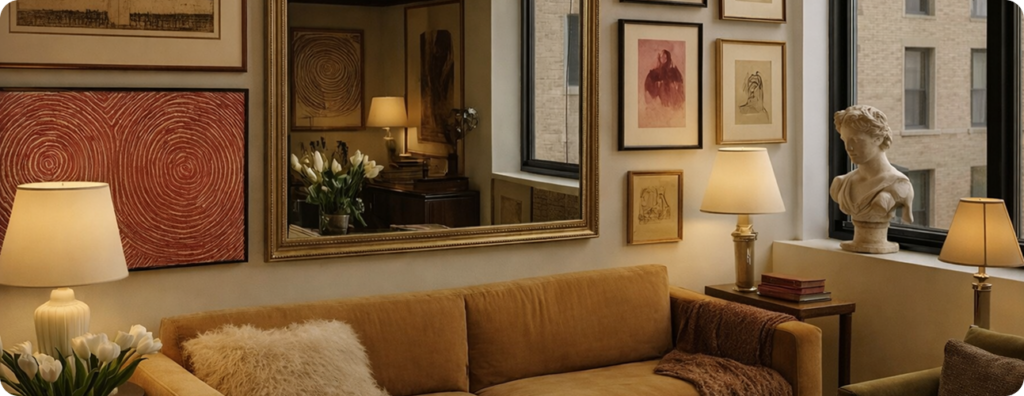
Interior design is more than just looks. It shapes your comfort, mood, and how easy daily life feels. Bad planning can make big homes feel tight, while good design can make small spaces feel calm and useful.
Many design problems happen when basics like light, proportion, and storage are ignored. The biggest mistakes often come from rushing or just following trends. Fixing these issues early makes your home brighter, more organized, and easier to care for.
Here are the most common problems found in homes today, plus easy ways to fix them without making things complicated.
1. Blocking Natural Light Instead of Letting It Flow
Natural light is one of the best features in any home. Blocking it with solid walls, dark furniture, or heavy curtains can make rooms feel smaller and less lively. Homes with plenty of daylight feel healthier, calmer, and more inviting.
How to avoid this mistake
- Use glass partitions or sliding glass doors instead of solid walls.
- Keep furniture low near windows.
- Choose light wall colors that reflect daylight.
- Avoid placing tall storage units in front of windows.
Letting sunlight moving through your rooms means you use less artificial light during the day and feel more comfortable at home.
2. Overcrowding Rooms with Too Much Furniture
One of the biggest interior design mistakes is filling a room with more furniture than it needs. Extra chairs, side tables, and decor pieces limit movement and reduce comfort. Even large rooms suffer when too many items compete for space.
How to avoid this mistake
- Keep only the furniture you use daily.
- Leave clear walking paths between pieces.
- Choose furniture with slim frames.
- Use glass or mirrored elements to maintain openness.
Rooms look and feel better when there’s enough open space.
3. Choosing Furniture That Is the Wrong Size
Furniture scale affects how balanced a room feels. Oversized sofas crowd small rooms, while tiny furniture looks lost in large spaces. This is one of the worst interior design mistakes because it disrupts visual harmony.
How to avoid this mistake
- Measure your room before buying furniture.
- Leave at least 18 to 30 inches for walkways.
- Match furniture height to ceiling height.
- Use glass tables to reduce visual weight in compact spaces.
The correct scale makes even simple furniture look refined.

4. Allowing Visual Clutter to Take Over
Too many visible items create stress and visual noise. Open shelves packed with objects, exposed wires, and crowded surfaces make rooms feel messy even when they are clean. Many poor interior design examples fail because they ignore storage planning.
How to avoid this mistake
- Use closed cabinets or glass-fronted storage.
- Limit decor to a few meaningful pieces.
- Hide cables and small electronics.
- Keep countertops and tables mostly clear.
Good storage helps your home feel calm and tidy.
5. Following Only One Design Style
Sticking strictly to one style can make interiors feel flat and predictable. Spaces become more interesting when materials and textures contrast each other.
How to avoid this mistake
- Mix glass with wood or metal.
- Balance modern furniture with soft fabrics.
- Repeat one color or finish to keep unity.
- Use contrast carefully to avoid clutter.
Mixing styles carefully add depth to your home without making it look messy.
6. Poor Lighting Planning Across the Home
Lighting changes how you feel and work at home. Using only ceiling lights can cause harsh shadows and uneven light. The best lighting uses different sources and can be adjusted as needed.
How to avoid this mistake
- Use ambient lighting for overall brightness.
- Add task lighting for reading, cooking, or work.
- Include accent lighting to highlight art or textures.
- Use reflective surfaces to soften light.
Using different types of lighting does your home work better and feel more inviting.
7. Ignoring the Entryway Design
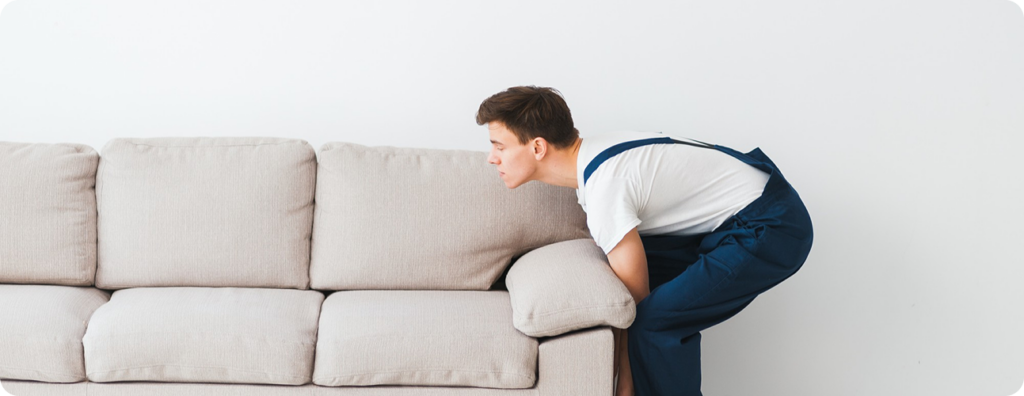
The entrance sets the tone for the entire home. A cluttered or dark entryway gives a poor first impression and reduces the sense of order.
How to avoid this mistake
- Keep the entry clean and organized.
- Add a mirror to reflect light.
- Use a slim console or wall mounted storage.
- Include subtle glass or glossy finishes.
A well-planned entry feels welcoming and intentional.
Explore our entryway and living space projects at Designs Palette.
8. Using the Same Colors and Materials Everywhere
Repeating the same colors and finishes throughout a home can make spaces feel dull. Variation adds interest while still maintaining flow.
How to avoid this mistake
- Use complementary colors instead of identical ones.
- Add textured fabrics or patterned accents.
- Introduce tinted or frosted glass for subtle contrast.
- Keep a consistent base color and vary accents.
Small changes in the tone can make a big visual difference.
9. Designing Without a Clear Focal Point
Rooms without a focal point feel confused. When everything tries to stand out, nothing does. This mistake is common in living rooms and bedrooms.
How to avoid this mistake
- Choose one main feature such as artwork, a bed, or a statement wall.
- Arrange furniture to face or frame that element.
- Keep the surrounding decor simple.
- Use lighting to highlight the focal point.
A clear focal point brings order and balance to a room.
10. Using Heavy Curtains and Thick Drapes Everywhere
Heavy window treatments block light and add visual weight. While privacy is important, thick curtains are not always necessary.
How to avoid this mistake
- Use light sheers or blinds.
- Combine performance glass with minimal window treatments.
- Mount curtains closer to the ceiling for height.
- Choose fabrics that allow filtered light.
Lighter treatments keep rooms bright and open.
How Can Design’s Palette Help You Avoid Interior Design Mistakes
At Design’s Palette, we help you design interiors that feel balanced, functional, and easy to live in. Our team takes time to understand your space, your routine, and your long-term needs, so common design mistakes are addressed before they become problems.
Here’s how we help you:
- We plan layouts that improve movement, light flow, and comfort.
- We guide you on furniture size, lighting, and storage so every element fits the space.
- We help you avoid clutter and poor design choices with practical, everyday solutions.
- We focus on finishes, materials, and details that stay relevant over time.
Contact us today if you want a home that avoids common interior design mistakes and feels thoughtfully designed from the start.
Conclusion
Avoiding the 10 common interior design mistakes starts with making informed choices early in the design process. When layout, lighting, furniture scale, and storage are planned correctly, homes feel brighter, more comfortable, and easier to live in. Most of the biggest interior design mistakes are not about style, but about overlooking how a space is used every day.
If you want expert help to avoid design mistakes from the start, Designs Palette can guide you. We create interiors that focus on function, flow, and comfort. Whether you are designing a new home or fixing bedroom interior design mistakes, our team helps you build spaces that feel practical and well planned.
FAQs
What are the key elements of visual harmony in a room?
Visual harmony means your room feels balanced and consistent. Choose furniture that fits the space, stick to a few colors, and repeat textures to make the room feel calm and organized.
What are some effective ways to decorate a small space?
Use less furniture, keep paths open, and pick light colors. Glass pieces, mirrors, and built-in storage can help small rooms feel bigger and more open.
How can I choose furniture that suits the size of my room?
Start by measuring your room and planning the layout. Make sure there’s space to move, avoid furniture that’s too big, and pick pieces that fit the room’s size for a balanced look.