9 Types of Modular Kitchen Designs: Latest Styles, Cabinet Ideas & Simple Layouts
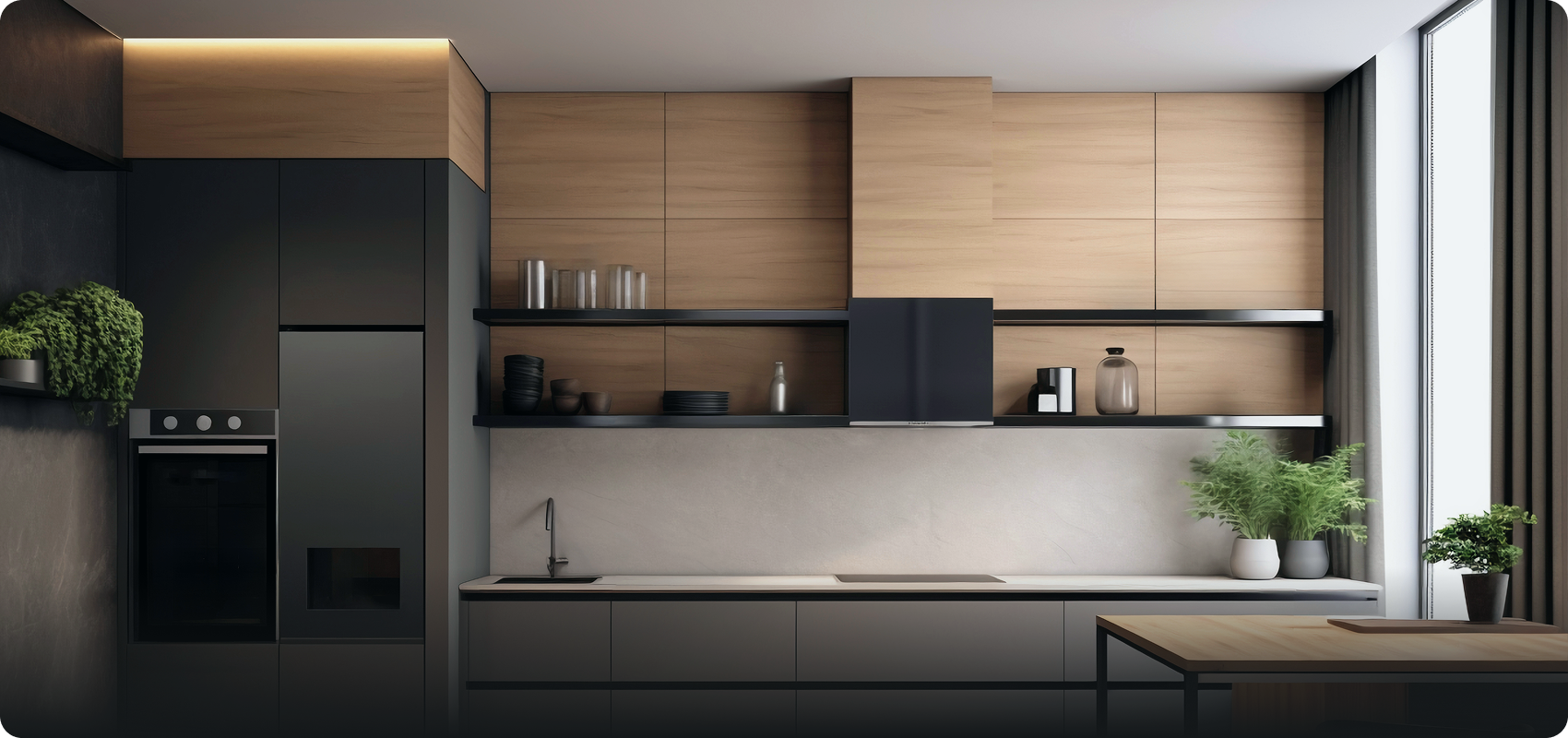
Table of Contents
“Walls speak the language of culture, craft, and personal style.”
Choosing the right kitchen design can improve how your home looks and how easily you cook every day. This guide explains the types of modular kitchen designs used in modern homes, along with layout ideas, cabinet tips, and planning advice.
Whether you are designing a small apartment kitchen or a large open space, understanding different layouts helps you avoid costly mistakes. We also cover interior design for modular kitchen planning, storage solutions, and current trends seen in the latest modular kitchens.
These problems are not always easy to spot right away. They often show up after you have lived in space for a while, when it feels harder to move around, or rooms seem darker than you thought. Learning about these mistakes early can help you avoid expensive fixes and create a home that feels open, balanced, and comfortable.
What Is a Modular Kitchen and Why Is It Popular?
A modular kitchen is built using ready-made cabinet units that are assembled on-site. These units are designed in factories with standard sizes, finishes, and fittings, which ensures better quality control.
Modular kitchens are popular now because they are practical, easy to care for, and work well in both small and large homes. People also like them because upgrades and repairs are easier than with traditional kitchens.
Key benefits of modular kitchens include:
- Faster installation compared to traditional kitchens
- Better storage planning
- Clean and uniform design
- Easier upgrades or replacements
Because of these benefits, modular kitchens are now standard in new homes and renovations.
Important Rules Before Choosing a Modular Kitchen Layout
Before selecting different modular kitchen types, proper planning is essential. A layout that looks good but ignores daily use can quickly become uncomfortable.
Thinking about movement, storage needs, and cooking habits early helps avoid costly changes later.
Keep these points in mind:
- Measure the kitchen area accurately
- Plan the cooking triangle: sink, stove, refrigerator
- Decide how many people use the kitchen daily
- Choose cabinets based on storage needs, not looks alone
Good planning improves comfort and reduces wasted space.
9 Types of Modular Kitchen Designs Explained
There is no single kitchen layout that suits every home. Each layout works best for specific room sizes, cooking styles, and family needs.
Below are the most commonly used types of modular kitchen designs, explained in simple language with practical cabinet and layout tips.
1. Straight Modular Kitchen Design
A straight modular kitchen places all cabinets, appliances, and counters along one wall. This layout is designed to save space while keeping everything within easy reach.
It is especially useful for studio apartments, compact homes, and rental properties.
Why choose it:
- Requires less space
- Easy to install and maintain
- Lower overall cost
Storage tip:
Use tall cabinets and overhead units to make full use of vertical space. Pull-out drawers are more efficient than fixed shelves.
This is one of the most practical modular kitchen simple designs for small homes.

2. L-Shaped Modular Kitchen Layout
An L-shaped kitchen uses two connected walls, forming a right angle. This layout offers a good balance between storage, counter space, and movement.
It works well in both small and medium-sized kitchens and allows better workflow.
Advantages:
- Good counter space
- Smooth movement while cooking
- Space for a dining table or compact island
Cabinet idea:
Use corner pull-out units or carousel shelves to avoid wasted corner space.
3. U-Shaped Modular Kitchen Design
A U-shaped kitchen uses three walls, creating a dedicated cooking zone. This layout is ideal for homes where cooking is done frequently or by more than one person.
It offers the highest number of counters and storage spaces.
Benefits:
- Maximum storage
- Clear work zones
- Ideal for closed kitchens
Inside modular kitchen cabinet design tip:
Use deep drawers for cookware and tall pantry cabinets for dry food storage.
4. Parallel (Galley) Modular Kitchen Design
A parallel kitchen has two counters facing each other. This design is commonly used in long and narrow kitchen spaces.
It allows efficient movement and keeps all essentials within the arm’s reach.
Why it works:
- Efficient workflow
- Easy access to storage
- Lower cost than complex layouts
Best use case:
Homes where only one person cooks at a time.
5. Island Modular Kitchen Design
An island kitchen includes a free-standing counter placed in the center of the kitchen. This layout is popular in open-plan homes.
Islands add both function and visual appeal to modern kitchens.
Uses of an island:
- Extra prep space
- Casual seating
- Storage or sink placement
Design tip:
Ensure enough walking space around the island for easy movement.
Island layouts are common in the latest modular kitchens designed for modern living.
6. Peninsula Modular Kitchen Design
A peninsula kitchen is similar to an island kitchen but is connected to an existing counter or wall. It offers extra workspace without needing too much space.
This layout is a good option when a full island is not possible.
Why choose it:
- Adds storage and counter space
- Works well in medium-sized kitchens
- Can be used for seating
7. Open Modular Kitchen Design
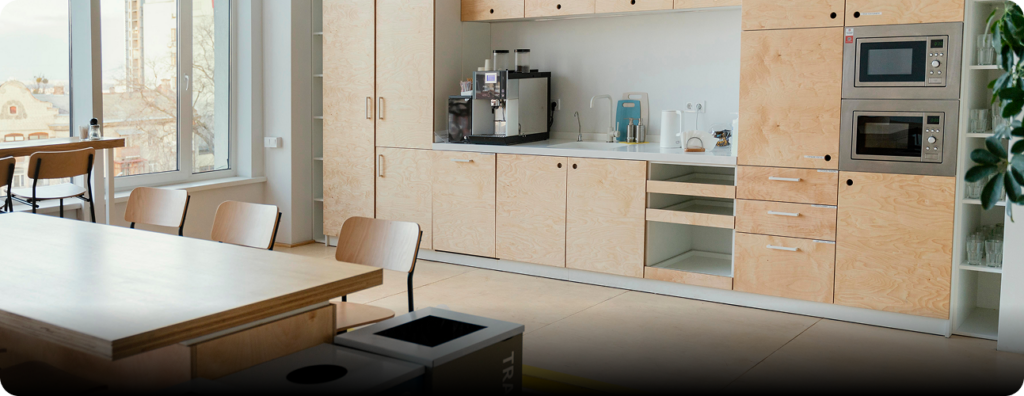
An open kitchen connects right to the living or dining area. This layout is common in modern apartments and small homes.
It makes the space feel more open and lets in more light.
Advantages:
- Makes small homes feel larger
- Improves natural lighting
- Encourages social interaction
Interior styling tip:
Match cabinet colors and finishes with the living area for a balanced interior design for modular kitchen.
8. Compact Modular Kitchen for Small Homes
Compact kitchens are made for homes with limited space. Each part is designed to do more than one job.
These kitchens focus on being useful instead of just looking good.
Key features:
- Foldable counters
- Tall storage units
- Multi-use cabinets
These are highly efficient modular kitchen simple designs.
9. Luxury Modular Kitchen Design
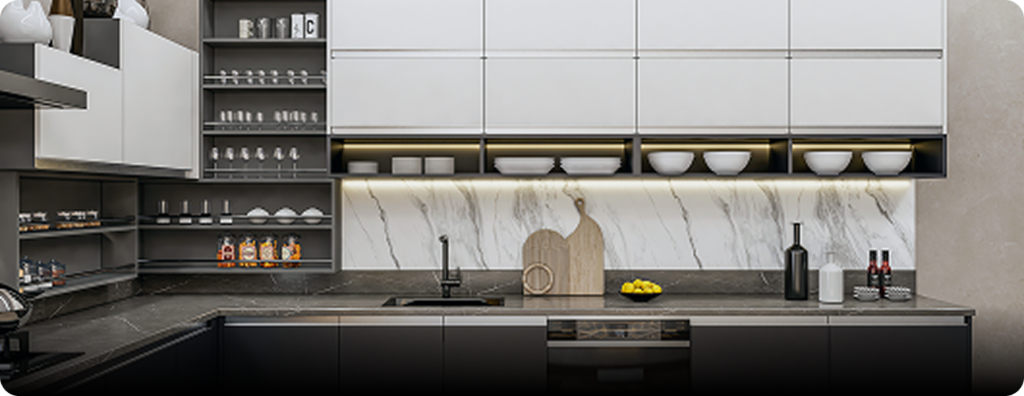
Luxury modular kitchens use high-quality materials, stylish finishes, and advanced fittings. They are usually custom-made for bigger homes.
These kitchens look great and are built to last.
Common features:
- Soft-close drawers
- Built-in appliances
- Quartz or stone countertops
- Handle-less cabinets
Luxury layouts represent the premium end of modular kitchen types.
Let Designs Palette help you plan a modular kitchen that fits your space and daily needs.
Inside Modular Kitchen Cabinet Design: Storage That Works
Good cabinet interiors improve daily kitchen use. Smart storage reduces clutter and makes cooking faster and easier.
Well-planned inside modular kitchen cabinet design also helps maintain cleanliness.
Useful cabinet solutions include:
- Pull-out spice racks
- Cutlery organizers
- Vertical tray holders
- Corner carousel units
- Built-in waste bins
Well-planned inside modular kitchen cabinet design reduces clutter and improves efficiency.
Check out custom modular kitchen designs with smart storage from Designs Palette.
Materials and Finishes Used in Modular Kitchens
The materials you choose affect how long your kitchen lasts, how much it costs, and how easy it is to maintain. Picking the right finish keeps your kitchen working well for years.
Modern kitchens use materials that are easy to clean and resist moisture.
Common options:
- Cabinets: plywood, MDF, laminate
- Countertops: granite, quartz, engineered stone
- Hardware: soft-close hinges and sliders
Many of the latest modular kitchens now use matte finishes and neutral tones.
Which Modular Kitchen Layout Is Best for Your Space?
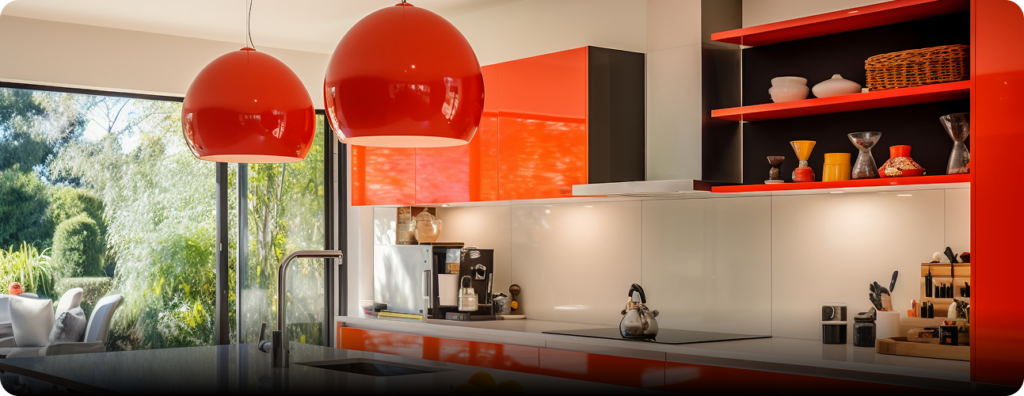
The best layout depends on your space, budget, and how you use your kitchen every day. Knowing the basics helps you decide faster.
Here is a simple comparison:
| Kitchen Layout | Best For | Cost Level |
|---|---|---|
| Straight | Small apartments | Low |
| L-Shaped | Small to medium homes | Medium |
| U-Shaped | Large families | Medium to High |
| Parallel | Narrow kitchens | Low to Medium |
| Island | Open-plan homes | High |
Cost Planning and Installation Tips
Kitchen costs depend on how complex the layout is, the materials, and the fittings you choose. Simple layouts usually take less time and cost less to install.
Planning ahead helps you avoid extra costs.
Key points:
- Straight and parallel kitchens cost less
- Fewer cabinets mean lower cost
- Custom finishes increase pricing
- Hardware quality affects long-term value
Be sure to ask for a detailed layout and cost breakdown before you make a final decision.
Conclusion
Choosing the right types of modular kitchen is not only about style. It is about how well the layout supports your daily routine, storage needs, and available space. From simple designs for small homes to luxury kitchens with advanced fittings, the right planning can improve comfort and long-term usability.
If you are planning a new kitchen or upgrading an existing one, expert guidance can help you make the right decisions from layout selection to cabinet planning. Contact Designs Palette today to discuss your modular kitchen requirements and get a design solution tailored to your home and lifestyle.
FAQs
What are the types of modular kitchens?
The main types of modular kitchen include straight, L-shaped, U-shaped, parallel, island, peninsula, open, compact, and luxury kitchens. Each suits different spaces and cooking needs.
Which type of kitchen is best?
The best kitchen depends on space and usage. L-shaped and U-shaped kitchens suit families, while straight and parallel kitchens work well for small homes.
Which layout is cheapest to install?
Among modular kitchen simple designs, straight and parallel layouts are usually the cheapest due to fewer cabinets, simple plumbing, and faster installation.