
10 Types of Houses in India: Names, Styles, and Housing Types Explained
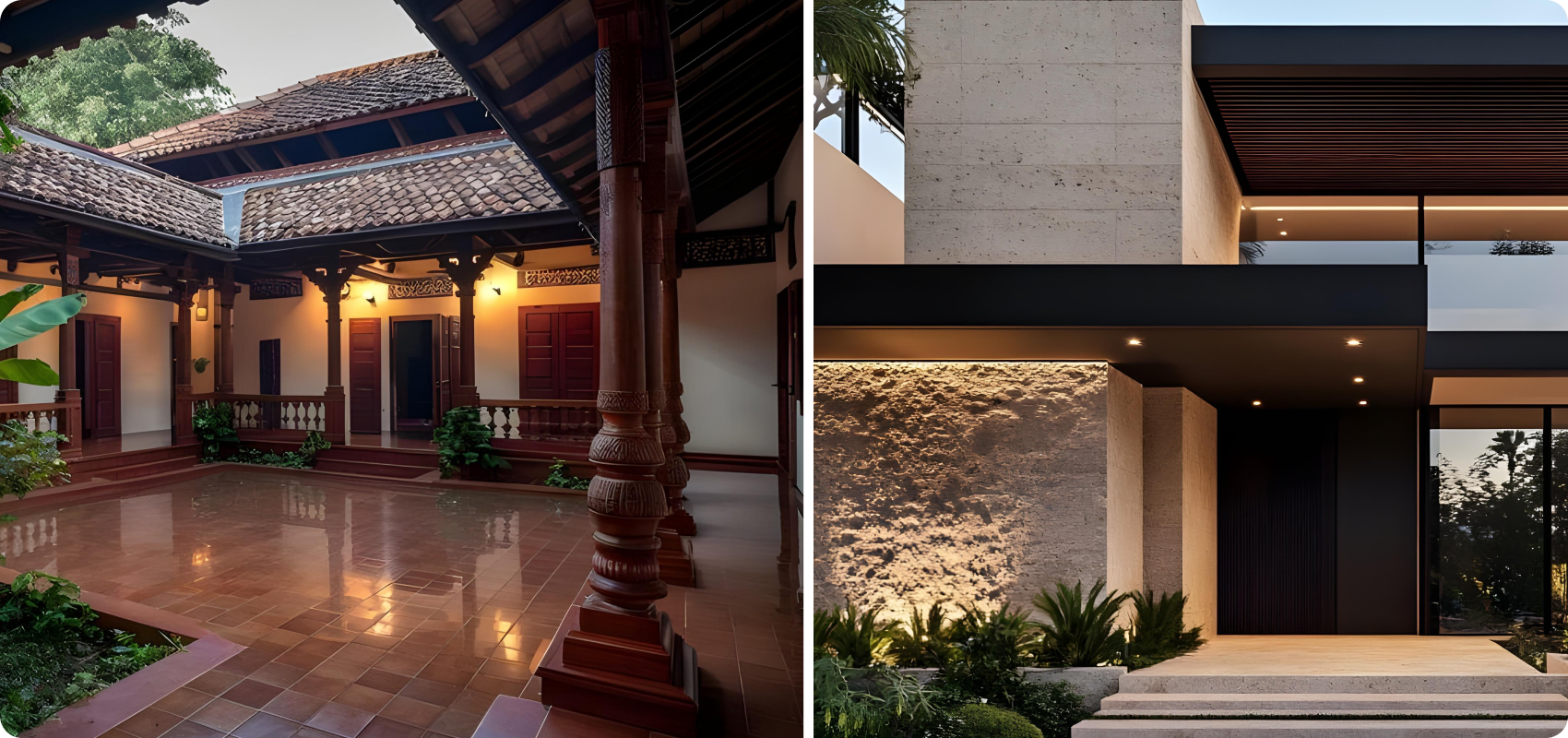
Table of Contents
“Walls speak the language of culture, craft, and personal style.”
India has many types of houses shaped by climate, culture, location, and daily living needs. From simple village homes to modern city apartments, every house type serves a purpose. Learning about the different types of houses in India helps home buyers, builders, and owners make better choices.
This guide explains the types of house with names, their main features, and where they are commonly seen across the country.
What Are the Different Types of Houses in India?
In India, houses are grouped by structure, materials, and purpose. Some offer comfort and space, while others are designed for affordability and efficient land use. As cities grow and lifestyles change, modern homes are becoming more popular.
As per Census of India housing data, homes are also classified as kutcha, semi-pucca, or pucca. This is based on the quality of construction and materials used. These categories help measure housing conditions nationwide.
Knowing what are different types of houses makes it easier to choose a home that fits your needs, budget, and lifestyle.
1. Independent House
An independent house is a standalone building on its own plot. It does not share any walls with neighboring houses.
Key features
- Complete privacy
- Personal garden or parking space
- Freedom to modify or extend the structure
Independent houses are often found in suburbs and smaller cities. They are a good choice for families seeking long-term stability and control over their home design.
For better layout planning or renovations, professional architecture services can help improve space use and airflow.
Consult Designs Palette for independent house planning.
2. Bungalow
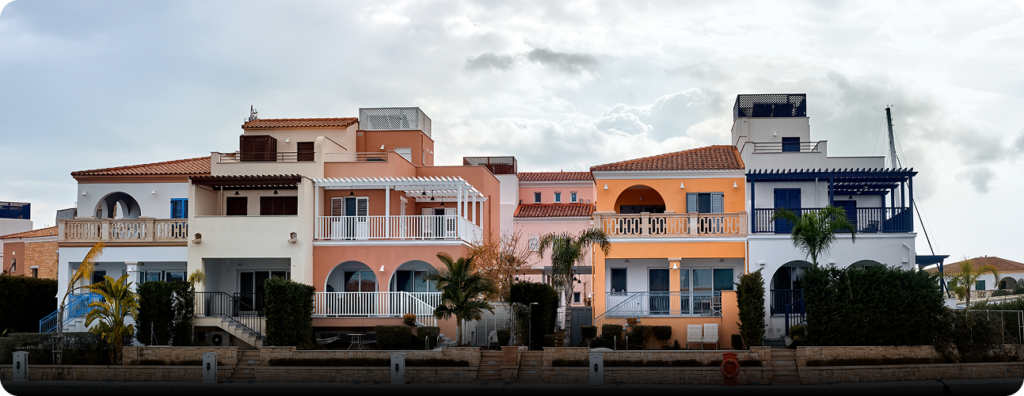
A bungalow is usually a single-story house with a wide layout. It often includes a veranda, an open garden, and large windows.
Why people choose bungalows
- Easy movement for elderly family members
- Strong connection with outdoor spaces
- Better ventilation in warm climates
Bungalows are often found in premium residential areas and are commonly designed with custom interiors.
3. Villa
A villa is a large home, usually with multiple floors, located in gated communities. Villas often come with shared amenities like security, parks, and clubhouses.
Common villa features
- Multiple bedrooms and balconies
- Private parking
- Open and modern layouts
Villas suit families who want comfort, privacy, and community living in one place.
4. Apartment or Flat
Apartments are the most common urban housing type in India. These homes are part of multi-storey buildings with shared facilities.
Benefits of apartment living
- Lower maintenance responsibility
- Better security systems
- Access to lifts, power backup, and common areas
Apartments range from small studio units to large four-bedroom flats. They are widely used in metro cities due to limited land availability.
5. Duplex House
A duplex house includes two living units. These can be side by side or one above the other. In many Indian cities, a duplex means one family home spread across two floors.
Advantages of a duplex
- Clear separation between living and sleeping areas
- Suitable for joint families
- Option to rent out one floor
When exploring different types of houses names, duplex homes are often chosen for their flexibility and smart space use.
6. Row House or Townhouse
Row houses are built in a straight line and share side walls with nearby homes. Each house has a separate entrance.
Why row houses are popular
- Efficient use of land
- Lower cost than villas
- Community-style living
They are commonly found in planned townships and suburban developments.
7. Chawl
A chawl is an affordable residential building with many small units and shared facilities. Chawls are mostly found in Mumbai and nearby areas.
Chawl characteristics
- Small living spaces
- Shared toilets and corridors
- Strong community bonds
Chawls were important for housing industrial workers in the early 1900s and are still a significant part of urban housing history.
8. Haveli
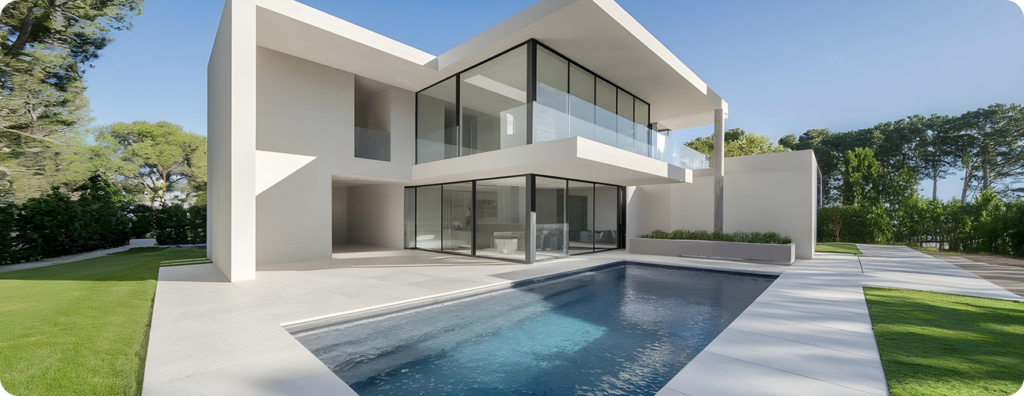
A haveli is a traditional mansion found mostly in Rajasthan, Gujarat, and parts of North India. These homes are famous for their detailed design and cultural importance.
Key design elements
- Central open courtyard
- Thick walls to control indoor temperature
- Decorative doors, jharokhas, and balconies
Havelis reflect India’s heritage and are often restored as heritage homes or boutique hotels.
9. Kutcha and Pucca Houses
This classification depends on building materials and durability. It is widely used in housing surveys and government records.
Kutcha houses
- Made from mud, bamboo, grass, or thatch
- Common in rural and low-income areas
- Low cost but shorter lifespan
Kutcha houses are quick to build and suitable for temporary needs. However, they offer limited protection from heavy rain, heat, or natural disasters.
Pucca houses
- Built using bricks, cement, concrete, and steel
- Strong and long-lasting
- Common in towns and cities
Pucca houses offer better safety, insulation, and long-term value. They also allow future upgrades like extra floors or modern interiors.
Many government housing schemes aim to replace kutcha homes with pucca houses to improve safety and living standards.
10. Special Regional Houses
Some houses are designed to match specific climate and geographic conditions. These homes reflect local needs and traditional knowledge.
Examples include
- Houseboats in Kerala and Kashmir
- Stilt houses in flood-prone areas
- Cottages in hill regions
These houses use local materials and smart construction methods to handle weather challenges. They show how geography shapes housing design in India.
Various Types of Houses in India: Quick Comparison
The table below shows various types of houses in India, along with who they suit best and where they are commonly found.
| House Type | Best For | Common Location |
|---|---|---|
| Independent House | Large families | Suburbs |
| Apartment | City living | Metro cities |
| Villa | Premium lifestyle | Gated communities |
| Duplex | Joint families | Urban areas |
| Row House | Budget-friendly ownership | Townships |
| Haveli | Heritage living | North India |
| Chawl | Affordable housing | Mumbai |
| Kutcha | Temporary shelter | Rural areas |
| Pucca | Long-term living | Urban and semi-urban |
This comparison helps explain how different housing types serve different needs, locations, and lifestyles across India.
How to Choose the Right House Type
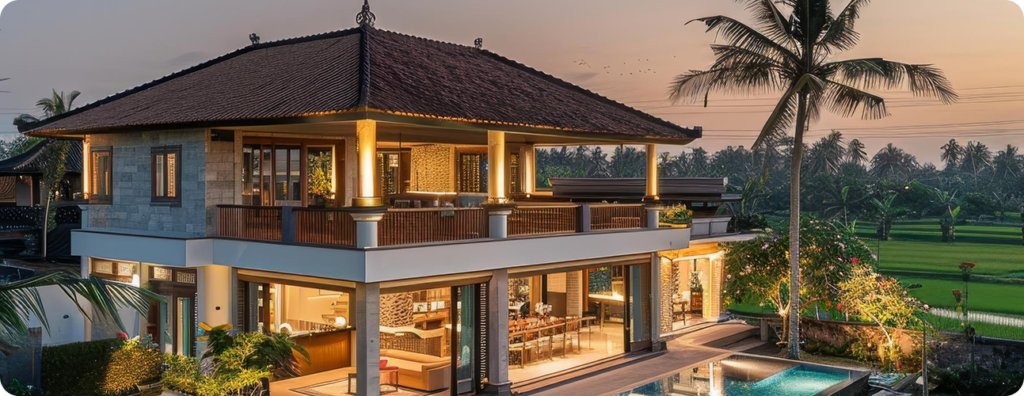
Before selecting a home, think about these factors:
- Family size and future plans
- Climate and ventilation needs
- Budget and maintenance costs
- Land availability
Each factor affects comfort, expenses, and long-term satisfaction. Planning ahead reduces the need for major changes later.
If you plan to build or renovate, expert design support helps improve space use, safety, and energy efficiency.
Explore residential design services by Designs Palette.
Why Understanding House Types Matters
Knowing the types of houses in India helps with:
- Better property investment decisions
- Smarter design and layout choices
- Improved comfort and safety over time
It also helps buyers avoid expensive mistakes with materials, layout, or location. Being well-informed makes sure your home meets your needs now and in the future.
Conclusion
India offers many practical housing options. Each type fits a certain lifestyle, budget, and location. Whether you pick an apartment or an independent house, knowing your choices helps you make better decisions.
If you need help with layouts, interiors, or renovations for any house type, Designs Palette can guide you with advice based on real project experience.
Book a free consultation with Designs Palette today.
FAQs
What are the five types of houses in India?
The most common types include independent houses, apartments, villas, duplex houses, and row houses. These are widely used in urban and suburban areas.
How many types of residential houses are there?
Residential housing includes apartments, independent homes, duplexes, row houses, villas, and traditional forms like kutcha and pucca houses, covering both rural and urban needs.
What is a duplex house?
A duplex house is a home spread across two floors or divided into two units. It offers privacy and efficient space use among different types of houses names.