
Home Interior Ideas for Small Houses: Small Living Room, Small & Master Bedroom Layout Ideas
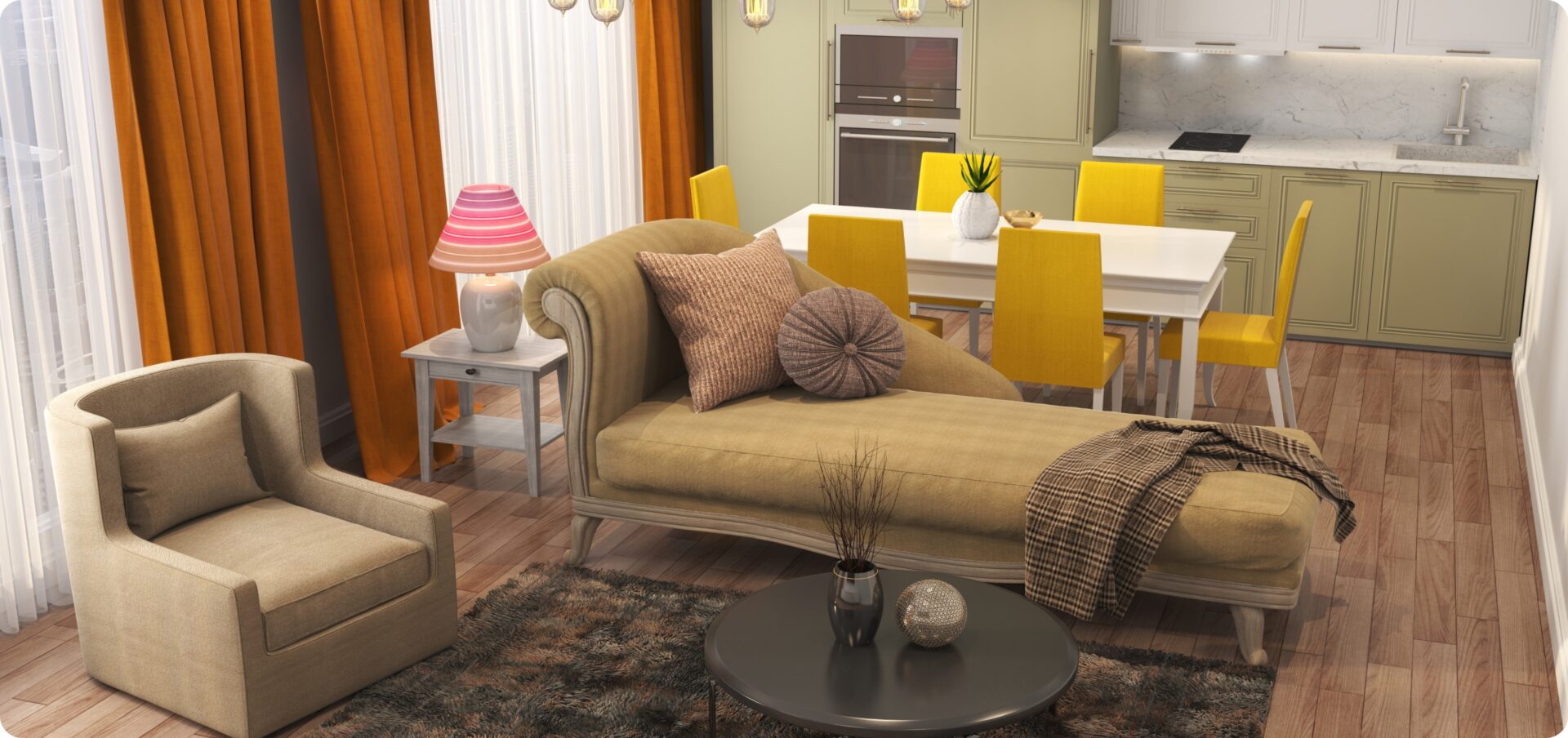
Table of Contents
“Walls speak the language of culture, craft, and personal style.”
So many things to add, but so little space. That’s often the first thought when you own a small house. A big sofa can suddenly make the living room feel cramped. A dark wall might make the space look tighter. Even adding storage, which you actually need, can leave the room feeling cluttered. These are everyday challenges for small homeowners.
If you are searching for home interior ideas for small houses that truly help different rooms feel more spacious and functional, you’re in the right place. In compact homes, every inch matters. One wrong decision can affect not just how your home looks, but how comfortable and practical it feels.
The good part is – with the right planning and thoughtful choices, even a small home can feel open, organised and calm. In this blog, we’ll walk through layout planning, colour selection, furniture choices, lighting ideas and smart storage solutions that work beautifully in smaller spaces.
How to Design a Small Living Room That Feels Spacious
The living room is usually the first space anyone sees when they enter your home. It’s where you unwind, welcome guests, sometimes work, and even enjoy a quiet meal. In small homes, this one room carries many responsibilities, so planning it thoughtfully becomes very important.
With the right approach to interior design for small house living room spaces, even a compact apartment can feel open, comfortable and easy to live in.
1. Understand the Layout Before Buying Anything
The first thing to do when you’re planning interior design for small house living room spaces is not to rush out and buy a sofa or TV unit. Instead, measure your space properly and understand the layout. Look at the position of doors, windows, balconies, and the overall shape of your living room.
Observe where natural light enters during the day. Notice which wall feels the brightest and which corners remain darker. These small details matter more than you think.
Now check the movement flow. Keep the path from the entry to the seating area clear and obstacle-free. When movement feels easy and natural, the room automatically feels more spacious. Good layout planning is the foundation of smart home interior ideas for small houses.
Once the layout is clear, furniture decisions become much easier. And you won’t have to regret your purchases later.
2. Select a Clear Interior Style for Your Living Room
Once your layout is finalised, choose a clear interior style. Small living rooms need visual clarity. When too many colours, materials or furniture styles mix together, the space can feel crowded and unplanned.
Pick one direction such as modern minimal, Scandinavian or soft contemporary. These styles focus on clean lines, light shades and functional furniture, which work well in compact homes. A consistent design language makes the room look organised and easy on the eyes.
Avoid heavy carved sofas, bulky showcases or oversized decor pieces. In smaller spaces, they can make the room feel tight. Keeping the style simple is one of the most practical home interior ideas for small houses.
3. Use Colours That Open Up the Space
A dark wall may look stylish in a picture. But in a small living room, it can suddenly make the space feel tighter. Colour holds that kind of power. In compact homes, the shades you choose can either open up the room or make it feel boxed in.
Go for lighter tones like warm white, beige, greige or soft pastels. These colours reflect more light and work beautifully in small homes. Keep the ceiling slightly lighter than the walls. It subtly creates the feeling of height, makes the space feel more open.
If you want an accent wall, keep it soft. A slightly deeper shade of the same colour or a gentle textured finish works better than bold, dark paints. A calm and consistent palette is one of the most practical home interior ideas for small houses.
4. Select Furniture That Fits, Not Fills
When space is limited, every furniture piece needs to earn its place. A bulky sofa may feel luxurious, but in a small living room, it can make the space feel cramped and heavy.
Instead, look for sofas with a slim profile, clean arms and raised legs. Choose wall mounted TV units to avoid blocking space and nesting coffee tables are a practical choice since they can be adjusted easily. Swap oversized armchairs for pouffes or lightweight accent chairs to maintain better flow and open space.
In interior design for small house living room spaces, flow matters more than filling corners. Keep the centre of the room open as this clear space allows movement and makes the living area feel lighter and comfortable
5. Plan Smart Storage Without Clutter
Multifunctional storage solutions are the answer to adding storage without losing functionality. In a compact living room, choose pieces that serve dual purposes, such as ottomans with hidden compartments or coffee tables with built-in drawers. This reduces the need for additional units and keeps the layout efficient.
Go for vertical storage. Floating shelves, wall mounted cabinets and tall, narrow units make better use of wall space while keeping the floor clear. A visible floor area always makes the room feel more spacious.
Limit what you display on open shelves. Too many items can quickly create visual noise. Keep styling minimal and intentional so the room feels organised rather than crowded. Thoughtful storage planning helps maintain balance in smaller living areas.
6. Layer Natural and Artificial Lighting
Good lighting can completely change how a small living room feels. Start by making the most of natural light. Use sheer curtains instead of heavy drapes so sunlight can enter freely. Keep balconies and window areas clear to avoid blocking brightness. Placing a mirror opposite a window helps reflect daylight deeper into the room and makes the space feel wider.
Artificial lighting should be layered, not limited to one ceiling fixture. Use ambient lighting like recessed LEDs for overall brightness. Add task lighting such as a floor lamp near the sofa for reading. Include accent lighting like cove lights or wall sconces to create warmth and depth.
Choose lighting between 3000K to 4000K for living rooms. Proper layering will enhance your home interior ideas for small houses without adding any physical bulk.
When your living room layout, colour, furniture, storage and lighting are aligned, the space feels balanced. It doesn’t matter if it is small. It will still feel welcoming, functional and calm.
Now that we’re done with the living room let’s head onto helping you with small bedroom interior design ideas.
Smart Bedroom Design for Small Homes
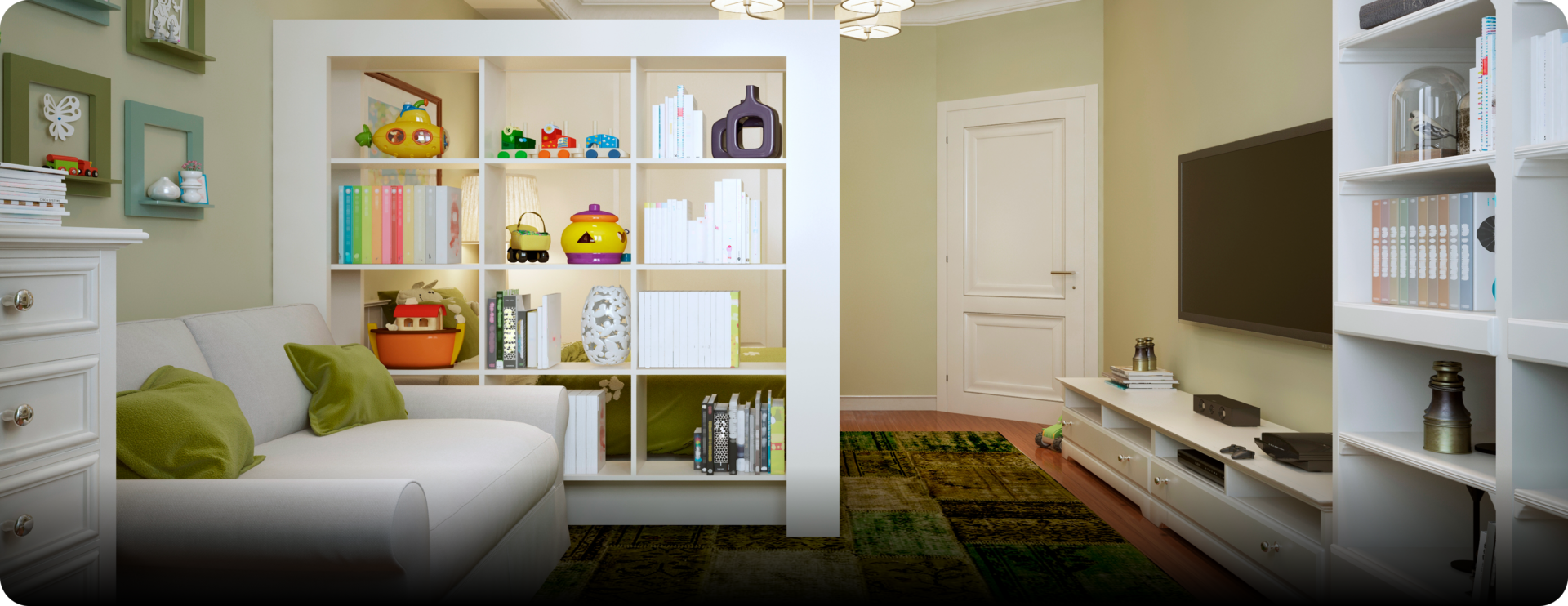
A small bedroom should feel restful, not restricted. The goal is to balance comfort, storage and simplicity without overcrowding the space. When planned thoughtfully, bedrooms can reflect some of the most effective home interior ideas for small houses.
1. Get the Bed Size and Placement Right
Start with proportion. In compact rooms, a queen size bed often works better than a king because it leaves breathing space around it. Place the bed against the longest wall and avoid blocking windows so natural light and ventilation can flow freely. Choose a bed with storage drawers or a hydraulic lift to reduce the need for extra units.
2. Use Built-In and Vertical Storage
One of the most practical small bedroom interior design ideas is using floor-to-ceiling wardrobes. They maximise storage while keeping the room visually clean. Sliding shutters save space compared to hinged doors. You can also add a small wall-mounted study desk or floating shelves instead of bulky furniture.
3. Keep the Master Bedroom Calm and Functional
In interior design for small master bedroom layouts, focus on balance. Use light finishes for wardrobes and soft headboards to avoid visual heaviness. Mirror panels on wardrobe shutters can reflect light and make the room appear larger and feel open. Add warm bedside lighting instead of relying only on ceiling fixtures.
When every element feels intentional, even a compact bedroom can feel organised and comfortable.
Common Design Mistakes in Home Interior Ideas for Small Houses
When space is limited, even small decisions can make a big difference. A few common missteps can quickly make rooms feel cramped, cluttered or poorly planned. Being aware of these mistakes helps you create a home that feels balanced, functional and comfortable.
- Buying furniture without measuring the room first.
- Choosing oversized sofas, beds or storage units that overpower the space.
- Blocking windows with tall furniture, reducing light and airflow.
- Using too many dark colours that make the room feel closed in.
- Ignoring vertical space and missing out on smart storage opportunities.
- Overdecorating with too many cushions, frames or accessories.
- Depending on a single ceiling light instead of layered lighting.
Avoiding these mistakes ensures your small home feels open, organised and thoughtfully designed.
Conclusion
Designing a small home is really about making thoughtful choices. The right layout, balanced colours, practical furniture and well-planned lighting can completely change how a compact space feels. When storage is prioritised from the start, everything works better and the home feels calm instead of crowded. That’s what thoughtful home interior ideas for small houses truly achieve.
If you want your space to feel intentional rather than just filled with furniture, working with professionals can help. Designs Palette focuses on understanding your space, lifestyle and budget before creating solutions that are both beautiful and practical. Reach out to us, today!
FAQs
How do I choose the right style for small homes?
Focus on one clear style like modern minimal, Scandinavian, or soft contemporary. A consistent style keeps the space organised, visually open, and makes all your home interior ideas for small houses work together seamlessly.
How can I make a small bedroom look bigger without renovation?
In small bedrooms, using light colours, mirrors, and multifunctional furniture instantly opens up the space. Vertical storage, visible floors, and regular decluttering also make the room feel airy, practical, and comfortable.
Can I use bold colours in small homes?
Yes! Bold colours work well as accents like a feature wall, cushions, or decor pieces. Using them sparingly keeps the room lively without compromising space, making your home interior ideas for small houses look stylish and balanced.