
Types of Modular Kitchen and Why Modular Kitchen Is Important for Every Home
Explore the different types of modular kitchens and learn why a modular kitchen is important for every home, offering better space use, style, and convenience
“The kitchen is the heart of the home.”
It’s where every day begins, where families meet, eat, and share small moments together. But homes today are smaller, life moves faster, and people want kitchens that are easy to use and simple to maintain. Traditional setups often take up too much space or feel cluttered, which is why modular kitchen design has become so popular. It keeps everything organised while giving your kitchen a clean, modern look.
At the same time, many homeowners prefer adding a few custom carpentry elements for extra storage or personal needs. And today’s smartest kitchens use a mix of both.
In this blog, we’ll explore the types of modular kitchen, why this combination works best, and how to choose the right setup for your home.
A modular kitchen is made from factory-built units like cabinets, drawers, and shelves that fit together neatly. Each module has a job: some store utensils, others hide appliances, and some add counter space. The pieces are planned and made before installation, so assembly at home is quick and tidy. The finish is neat, the design is flexible, and cleaning is easier.
Although modular units handle most of the kitchen, some families choose to add custom carpenter-built elements like lofts or niche storage for very specific needs.
To answer what is modular kitchen design: it is a smart, organised layout that uses every inch of your kitchen while keeping it stylish.
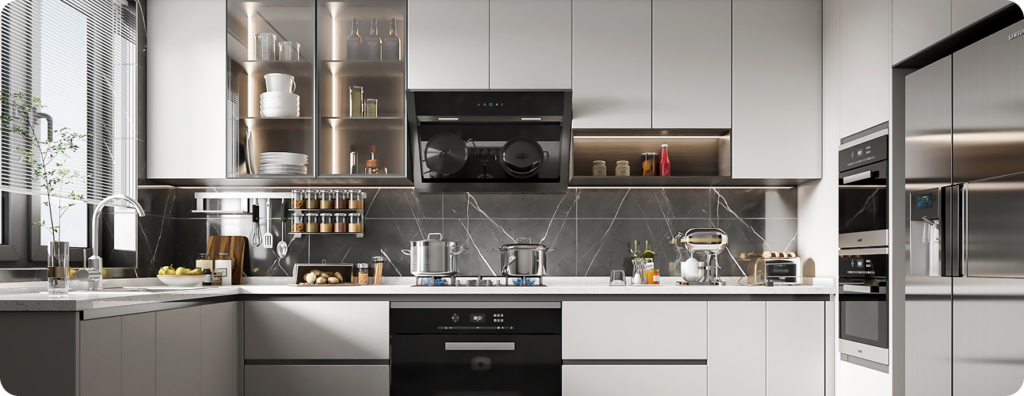
Every home deserves a kitchen that feels comfortable, easy to use, and nice to look at. A modular kitchen gives you all these things in one smart design and helps you make the best use of your space.
Here’s why modular kitchens are becoming a must-have in modern homes:
Imagine walking into your kitchen where everything has a proper place. No messy counters, no searching for ingredients, just a clean and organised space that makes cooking feel simple again.
But while modular kitchens bring structure and efficiency, many families also want storage that feels more personalised. That’s where a smart mix of modular and carpentry works beautifully.
Many homeowners think they must choose between a fully modular kitchen or a full carpentry kitchen but, the most practical setup today is a mix of both.
Modular units cover the core areas like drawers, shutters, and base cabinets. They’re durable, easy to maintain, and give your kitchen a clean finish. While Carpentry can be used for lofts, niche shelves, side storage, or any custom-sized space that modular units may not fit.
This combination will give you:
A hybrid kitchen lets you enjoy the best of both systems while designing a space that truly fits your daily cooking routine.
When it comes to planning, no two homes are the same. The way your kitchen looks and feels depends on the space you have and how you use it. Here are the most common types of modular kitchen layouts that homeowners love.
Everything sits along a single wall — your stove, sink, and storage. It’s simple, clean, and works beautifully in smaller apartments. You can cook, chat, and move around without feeling crowded.
It’s great for compact homes, though you might need to plan your storage carefully. But for many, the open and airy vibe makes up for it.
Among all types of modular kitchen, the L-shaped one is easily the most popular. Two sides of the kitchen meet at a corner, forming an L. This gives you a smart layout with good storage and smooth movement between areas.
You can work comfortably even with two people in the kitchen. Plus, it fits well in both small and medium-sized homes.
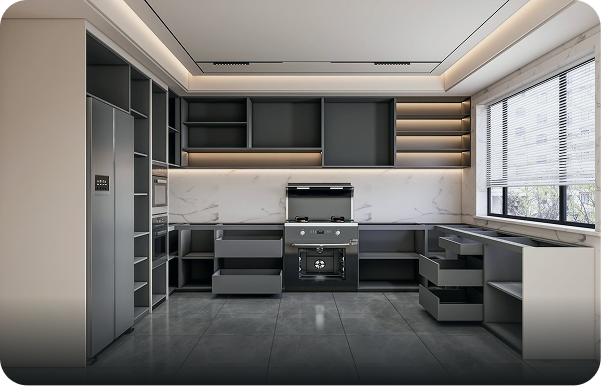
If cooking feels like therapy to you, you’ll love this type of modular kitchen. The U-shaped layout surrounds you on three sides, giving you tons of counter space and cabinets.
This setup works best if you have a large kitchen or multiple people cooking together. The only catch is that it needs more space. But the comfort it offers makes it worth it.
This type of modular kitchen has two counters running parallel to each other with a walkway in between. It’s very efficient because you get two work zones — one for cooking and one for washing or prepping.
The galley style works well in long, narrow spaces. But make sure there’s enough room to walk around without feeling squeezed.
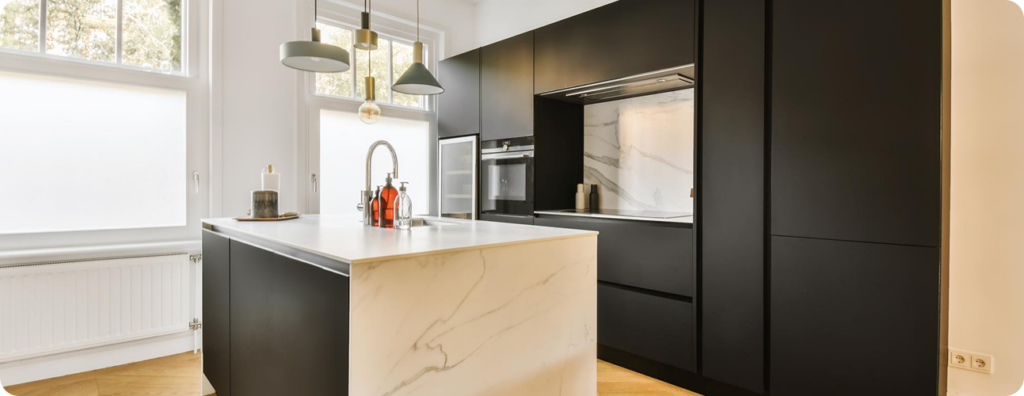
Now this one’s a showstopper. The island modular kitchen adds an extra counter in the middle of the room. It can be used for cooking, dining, or even as a casual space where your family hangs out.
It’s ideal for open-plan homes. And when friends come over, they can sit at the island and chat while you cook. Pretty perfect, right?
The G-shaped kitchen is like the island layout’s cousin. But instead of a separate island, one counter extends out to form a “G” shape.
It gives you extra space for storage and meal prep without needing a huge kitchen. It also creates a natural boundary between your kitchen and dining area, which looks neat and cozy.
Each of these types of modular kitchen layouts have its own charm. What matters is picking one that fits your home and how you actually live.
Choosing from the different types of modular kitchen isn’t only about picking what looks good. It’s more about finding a setup that fits your space, the way you cook, and what makes your kitchen time feel easy and enjoyable.
Here are a few simple things to keep in mind:
Is it small, long, square, or open? The layout that works best will depend on that.
If you enjoy cooking full meals, go for more counter space. But if you mostly reheat or make quick dishes, a compact design works fine.
The stove, sink, and fridge should be placed close enough so you can move around easily without wasting time.
Count how many utensils, jars, and appliances you use daily. Then plan your drawers and cabinets to keep everything within reach.
A well-lit kitchen feels bigger, cleaner, and more welcoming. Use bright lights where you cook, cut, and clean.
Modular kitchens can be simple or luxurious. Decide what’s more important to you — storage, design, or materials.
At the end of the day, the best modular kitchen is one that feels right for your home and makes your everyday life just a little easier.
A kitchen holds many small stories: the smell of spices, the sound of utensils, and late-night tea conversations. A well-planned space makes these moments easier and more enjoyable. Today, the best way to achieve that is by blending modular design with a few custom carpentry additions that give your kitchen both structure and personal comfort.
This mix lets you enjoy sleek modular units while adding customised storage wherever you need it. If you’re ready to create a kitchen that feels modern, warm, and truly made for you, Designs Palette can help bring your vision to life.
If you have a small home, the straight or L-shaped modular kitchen works best. These layouts save space, keep everything within reach, and make your kitchen look open, clean, and easy to move around in.
Yes, modular kitchens are cost-effective because they’re durable, low-maintenance, and designed to maximise space. When combined with a few carpenter-made units for extra storage, they offer better value and long-term practicality within a flexible budget.
Absolutely! You can convert your old kitchen into a modular kitchen design. Our designer will assess your space, suggest suitable layouts, and plan storage modules that fit your needs and style perfectly.
Explore the different types of modular kitchens and learn why a modular kitchen is important for every home, offering better space use, style, and convenience
WhatsApp us